Architecture That Pays: Design Features Driving Property Values
Value-driven design features that actually move property prices
Architecture
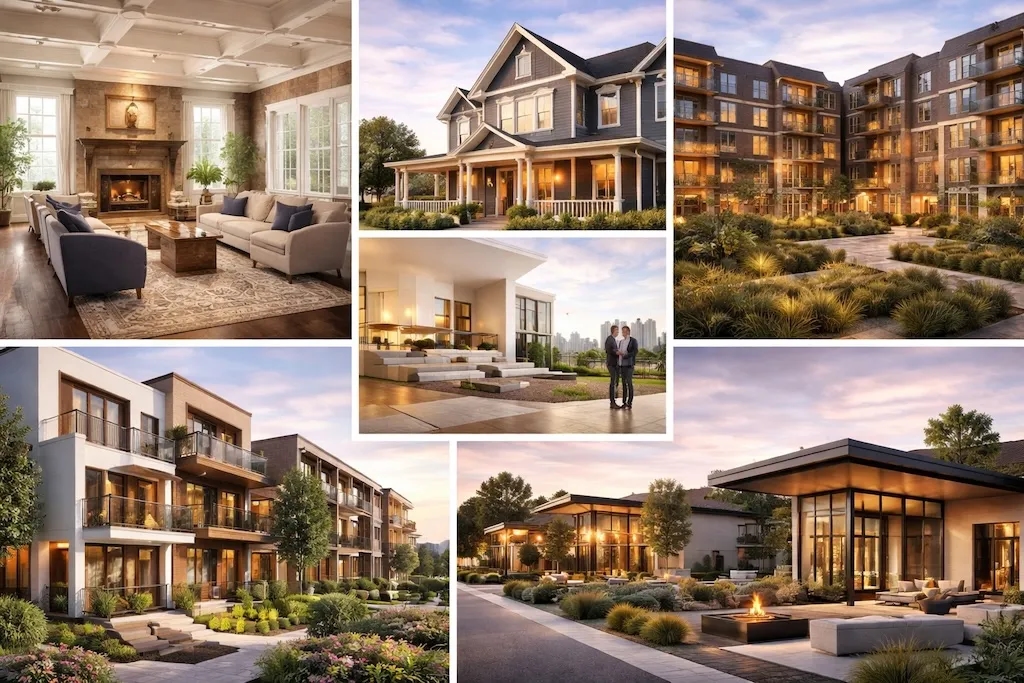
Your neighbor just listed their 2019 build for $847,000. Same square footage as your 2016 home, same lot size, but they're getting 15% more per square foot. The difference? Their architect understood what buyers actually pay for.
While you were debating crown molding versus shiplap, they invested in features that command real premiums. Let's break down the architectural elements that separate properties that sell fast from those that sit on the market.
The Premium Features Buyers Actually Pay For
Forget the design magazines — here's what appraisers and buyers value most. Flexible living spaces top the list, with open floor plans adding an average 7.4% to home values according to recent National Association of Realtors data.
But here's the twist: it's not about tearing down every wall. Smart layouts with defined zones within open spaces perform even better. Think kitchen islands that create natural boundaries, or built-in furniture that suggests room function without walls.
Pro Tip: Homes with dedicated home office spaces (not just "flex rooms") commanded 12% premiums in 2024 sales data.
Insight: Properties with 9+ foot ceilings sell 23% faster than standard 8-foot ceiling homes.
Feature | Average Value Add | Buyer Appeal Score |
|---|---|---|
Open floor plan | 7.4% | High |
Home office/den | 12.0% | Very High |
Primary suite on main | 15.2% | Very High |
Covered outdoor space | 8.9% | High |
Mudroom/drop zone | 4.3% | Medium |
Covered outdoor living spaces deserve special attention. We're not talking about basic patios — structured outdoor rooms with weather protection consistently outperform. A $25,000 investment in a covered deck typically returns $40,000+ in added value.
Sustainable Features That Actually Move Numbers
Here's where most articles get it wrong: buyers don't care about being "green" — they care about lower bills and future-proofing. The sustainability features that add value are the ones that save money or reduce maintenance headaches.
Solar panels with transferable warranties add an average $15,000 in value, but only if the system is owned (not leased). Energy-efficient windows and insulation packages rarely show up in appraisals, but they make homes sell faster because utility bills matter to buyers' monthly budgets.
The real winner? Smart home integration done right. Not talking about voice assistants — think programmable thermostats, automated lighting systems, and integrated security. These features appeal to buyers who want convenience without complexity.
Key Takeaway: Sustainable features add value when they solve buyer problems, not when they check environmental boxes.
What about those expensive geothermal systems or rainwater collection setups? They're conversation starters, not value drivers. Most buyers can't wrap their heads around the ROI math, so appraisers struggle to justify premiums.
Insight: Homes with smart thermostats sell 3.2 days faster on average — buyers see immediate utility bill benefits.
Design Styles That Hold Value vs. Fade Fast
Here's the uncomfortable truth: most "trendy" design choices hurt long-term value. That all-black kitchen might look stunning on Instagram, but it's polarizing for resale. Safe doesn't mean boring — it means broadly appealing.
Transitional style (mixing traditional and contemporary elements) consistently performs best in resale value. It gives buyers the "updated" feeling without dating the home to a specific decade.
Design Style | 5-Year Value Retention | Buyer Pool Size |
|---|---|---|
Transitional | 94% | Very Large |
Modern Farmhouse | 89% | Large |
Contemporary | 91% | Medium |
Traditional | 96% | Large |
Industrial/Loft | 78% | Small |
Notice how traditional style wins on retention? That's because timeless beats trendy when it comes to property values. The homes commanding the highest per-square-foot prices blend classic proportions with updated finishes.
But here's where it gets interesting: architectural details matter more than overall style. Homes with quality millwork, thoughtful built-ins, and solid hardware consistently outperform cookie-cutter builds, regardless of whether they're modern or traditional.
Pro Tip: Invest in permanent architectural features (built-ins, millwork, flooring) over easily changed elements (paint colors, light fixtures).
The Costly Mistakes That Kill Property Values
Some architectural choices actively hurt your home's value. Over-personalization tops the list — think custom murals, unusual room configurations, or fixtures that can't be easily changed.
Pool houses and guest cottages sound luxurious, but they often don't add proportional value. A $150,000 pool house might only add $75,000 in appraised value, especially in markets where maintenance costs concern buyers.
The biggest value killer? Poor flow and wasted space. Homes with awkward layouts, dead-end hallways, or rooms that serve no clear purpose struggle in competitive markets.
Insight: Removing walls can decrease value if it eliminates functional room count — buyers still want defined bedrooms and private spaces.
What Smart Investors Focus On
The most successful real estate investors think like future sellers from day one. They prioritize architectural features that appeal to the broadest buyer pool while avoiding personal preference choices.
Here's their secret: they focus on bones, not beauty. Good proportions, quality materials in key areas (flooring, kitchen counters, bathroom tiles), and flexible spaces that buyers can personalize.
When evaluating properties, they ask: "Will this feature still be desirable in 7-10 years?" If the answer involves predicting design trends, they skip it.
Key Takeaway: The best architectural investments solve functional problems while maintaining broad appeal.
Your Action Plan for Value-Driven Design
Key Takeaways
- Focus on functional improvements over aesthetic trends — flexible spaces and practical features drive value
- Sustainable features only add value when they reduce buyer costs or maintenance concerns
- Transitional and traditional styles retain value better than trend-driven designs
- Quality architectural details (millwork, built-ins, materials) matter more than overall style choices
- Over-personalization and poor flow actively hurt property values
The homes winning in today's market blend timeless architecture with modern functionality. Your goal isn't to impress design blogs — it's to create spaces that buyers compete for.